The Ultimate Guide to Screw Circle Digital Assets: Formats, Uses, and Workflow Integration
In the world of digital design, crafting, and manufacturing, precision is everything. Whether you are a hobbyist cutting vinyl for custom decals or a professional engineer preparing files for CNC routing, the quality of your source assets dictates the success of your final product. One such asset that has gained significant traction in niche design communities is the Screw Circle. This specific geometric pattern isn't just a simple shape; it’s a versatile template that serves multiple purposes across various industries.
If you have stumbled upon a resource offering a comprehensive package—including 6 SVG, 6 EPS, 6 PNG, 6 PDF, and 6 DXF files—you might be wondering what makes this collection so valuable. The key lies in its adaptability. Designed on a standard 12in×12in artboard size, these files provide a consistent canvas that fits seamlessly into most commercial cutting machines, printers, and CAD software. Let’s break down why having access to such a diverse file library is crucial for modern creators and how to leverage each format effectively.
Why File Format Diversity Matters in Design Workflows
One of the biggest mistakes designers make is assuming one file type works for every situation. It doesn’t. The Screw Circle collection addresses this by providing six distinct formats, each tailored to a specific stage of the production process. Understanding the strengths of each format ensures you aren’t wasting time converting files unnecessarily or dealing with resolution issues during printing.
- Scalability: Vector formats like SVG and EPS allow you to resize the screw circle without losing any edge quality. This is vital when scaling from a small sticker to a large wall decal.
- Print Readiness: Raster formats like PNG are ready for immediate use in graphic design software like Photoshop or Canva, especially when transparency is required.
- Manufacturing Precision: For industrial applications, DXF and PDF files offer the structural integrity needed for laser cutters and plotters.
By having all six versions available, you eliminate bottlenecks. You don’t need to hunt for a separate vector version if your printer requires a high-res PNG, nor do you need to trace over a raster image if you’re using Silhouette Studio. The Screw Circle package streamlines this entire workflow.
Deep Dive into the Vector Formats: SVG and EPS
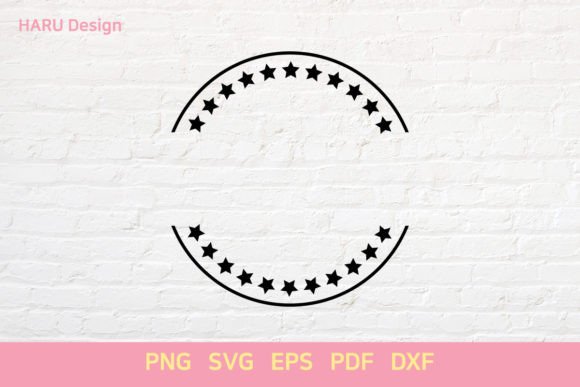
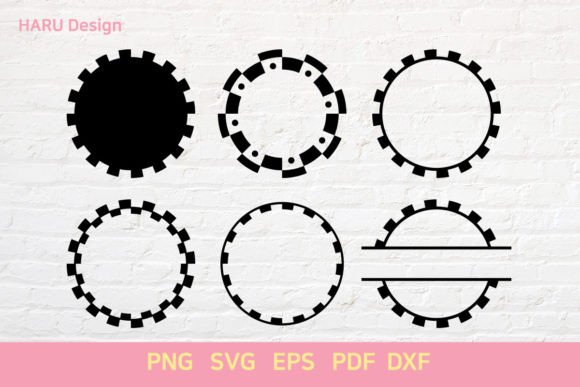
For anyone using electronic cutting machines—such as Cricut, Silhouette, or Brother ScanNCut—the SVG (Scalable Vector Graphics) files are likely your primary workhorse. There are six unique variations included in this set. Why six? Because not all screw circles are created equal. Some may feature intricate inner teeth, while others might have a minimalist outer ring. Having variety allows you to match the aesthetic of your project, whether it’s a rustic farmhouse sign or a sleek modern tech accessory.
The EPS (Encapsulated PostScript) files serve a slightly different purpose. While SVGs are web-friendly and widely supported by consumer cutting software, EPS files are the industry standard for professional graphic design and print-on-demand services. If you are sending a design to a large-format printer or integrating the screw circle into a complex Adobe Illustrator layout, the EPS format ensures that your curves remain mathematically perfect. The six EPS files mirror the SVGs but carry additional metadata and color profile information that can be beneficial for professional workflows.
Practical Application: Layering and Stenciling
Consider a scenario where you are creating a layered stencil for painting. You need clean, crisp lines that won’t bleed. By importing the SVG version of the Screw Circle into your cutting software, you can adjust the line weight and blade pressure settings specifically for your material. The vector data allows the machine to interpret the exact path, resulting in a perfect cut every time. This level of control is impossible with low-resolution images.
Raster and Document Formats: PNG, PDF, and DXF
While vectors dominate the cutting world, there are times when you need static images or document-based templates. This is where the PNG and PDF files come into play.
The six PNG files in this collection are likely provided at high resolutions suitable for digital mockups. Imagine you are designing a t-shirt and want to preview how the Screw Circle looks on a garment before committing to production. A transparent PNG allows you to drop the image directly onto your design canvas without worrying about background colors interfering with your artwork. These files are also excellent for social media graphics, where you need a quick visual representation of the pattern.
PDF files bridge the gap between digital viewing and physical printing. They are ideal for creating instruction manuals, technical diagrams, or even direct-to-garment printing templates. Because PDFs preserve layer information and vector data in many cases, they are robust enough to handle both text and graphic elements simultaneously. If you are sharing designs with a client who doesn’t have specialized design software, a PDF is often the safest bet for them to view the Screw Circle accurately.
Finally, the DXF (Drawing Exchange Format) files are the backbone of computer-aided design (CAD). If you are working with AutoCAD, Fusion 360, or other engineering tools, the DXF format is non-negotiable. These files contain precise coordinate data that allows engineers to integrate the screw circle into mechanical assemblies. The six DXF files ensure that you have options for different scales and tolerances, which is critical when moving from digital design to physical machining.
The Importance of the 12in×12in Artboard Size
You might wonder why the artboard size is specified as 12in×12in. This dimension is not arbitrary; it is the gold standard for the crafting and small-batch manufacturing industry. Most home-use cutting mats are designed to accommodate 12x12 inch sheets of material, including cardstock, vinyl, and fabric. By designing the Screw Circle assets within this boundary, the creator ensures compatibility with off-the-shelf materials.
This standardization reduces waste. When you order a sheet of premium adhesive vinyl, it often comes in 12x12 increments. Aligning your digital design to this grid means you can maximize the number of units per sheet, saving money on materials. Furthermore, for those using sublimation printers, 12x12 inches is a common tile size for repeating patterns. The Screw Circle can be easily tiled to create wallpaper, wrapping paper, or textile prints without awkward seams.
Who Should Use the Screw Circle Collection?
This multi-format bundle is versatile enough to cater to a wide range of users. Here are a few scenarios where this collection shines:
- Vinyl Crafters: Use the SVG files to create window clings, laptop decals, or mugs. The variety of six designs allows for seasonal themes or brand-specific aesthetics.
- Graphic Designers: Incorporate the EPS and PNG files into logo designs, business cards, or marketing brochures. The vector nature ensures crispness at any size.
- Engineers and Makers: Utilize the DXF files for prototyping mechanical parts or creating jigs and fixtures. The precision of the DXF format is essential here.
- Print-on-Demand Sellers: Leverage the PDF and PNG files to upload designs to platforms like Redbubble or Society6. The high-quality assets ensure your products look professional.
Best Practices for Implementation
To get the most out of your Screw Circle assets, follow these practical tips:
Check Your Units: Before importing any file, ensure your software is set to inches rather than centimeters or pixels. Misaligned units can result in designs that are too large or too small for your intended output.
Ungroup and Explode: In vector software, complex shapes like screw circles may be grouped. Ungrouping them allows you to edit individual segments, change colors, or merge them with other shapes to create unique composite designs.
Test Print First: Always run a test cut or print on scrap material. Even with high-quality vectors, factors like material thickness and blade sharpness can affect the final result. The 12x12 size makes testing easy since you only need a small sample sheet.
Backup Your Files: Since you have six versions of each file, keep them organized in folders labeled by format. This prevents confusion later when you need to switch from a cutting workflow to a printing workflow.
Conclusion
The availability of a comprehensive Screw Circle asset pack represents a smart investment for any creative professional. By offering six distinct formats—SVG, EPS, PNG, PDF, and DXF—on a standardized 12in×12in artboard, this collection removes technical barriers and enhances creative freedom. Whether you are cutting vinyl, drafting mechanical parts, or designing digital graphics, having the right tool for the job is half the battle won. Embrace the versatility of these files, experiment with the different variations, and watch your productivity soar.