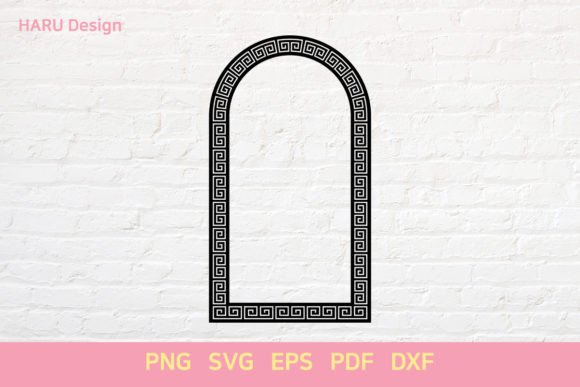
Greek Arch Frame Design Assets
In the realm of visual communication, few elements command attention and convey authority quite like the classical symmetry of a Greek Arch Frame. This timeless motif bridges the gap between ancient architectural grandeur and modern minimalist aesthetics, offering designers a versatile tool for creating sophisticated brand identities. Whether you are crafting a luxury logo or designing an elegant social media graphic, incorporating this structural element adds immediate visual weight and historical resonance to your creative projects.
The appeal of the Greek Arch Frame lies in its ability to provide a strong visual hierarchy without overwhelming the content it encloses. For professional graphic designers, understanding how to leverage this shape is crucial for enhancing user experience (UX) and guiding the viewer’s eye through complex information. It serves not just as a decorative border, but as a foundational component of layout design that suggests stability, permanence, and high quality.
Why the Greek Arch Frame Matters in Modern Branding
Modern branding often struggles with the balance between standing out and remaining recognizable. The Greek Arch Frame offers a solution by providing a familiar yet distinct structure that can be adapted to various industries. From legal firms seeking to project trustworthiness to beauty brands aiming for an air of exclusivity, this design element communicates specific values instantly.
When integrated into a cohesive brand identity system, the arch acts as a unifying thread across different touchpoints. It helps maintain consistency in editorial design, ensuring that headers, footers, and section dividers feel part of a single, polished narrative. By using clean lines and balanced proportions, designers can achieve a premium presentation that elevates the perceived value of the product or service being marketed.
Practical Applications Across Digital and Print Media
The versatility of the Greek Arch Frame extends far beyond traditional print materials. In today’s multi-channel marketing landscape, having scalable and adaptable assets is essential. Here is how this design element can enhance various aspects of your creative workflow:
- Logo Design & Brand Identity: Use the arch to frame a monogram or central icon, creating a focal point that draws the eye immediately. This technique is particularly effective for establishing a memorable visual mark.
- Social Media Graphics: On platforms like Instagram or Pinterest, where visual impact is paramount, an arched frame can neatly contain text overlays or product images, making them pop against busy backgrounds.
- Web & UI Design: Incorporate the arch into website headers or feature sections to break up rectangular grids. This introduces organic flow and softness to digital interfaces, improving user engagement.
- Packaging Design: For physical products, especially in cosmetics, wine, or artisanal goods, an arched label or box design conveys craftsmanship and attention to detail.
- Editorial Layouts: In magazines or eBooks, use the frame to highlight pull quotes or key statistics, ensuring they stand out within dense blocks of text.
Selecting and Utilizing High-Quality Design Assets
To maximize the potential of a Greek Arch Frame, the quality and format of the asset are critical. Designers require files that offer flexibility, precision, and ease of integration into existing software workflows. A robust package should include multiple formats to suit different stages of production.
For instance, vector files such as SVG and EPS are indispensable for logo design and large-format printing, allowing for infinite scalability without loss of resolution. These formats ensure that the crisp lines of the arch remain sharp whether printed on a business card or a billboard. Meanwhile, PNG files with transparent backgrounds are perfect for quick mockups and web overlays, saving time in the initial design phases. For precise cutting instructions or intricate die-lines, a DXF file provides the necessary technical data, while a PDF ensures accurate color representation and layout integrity for final proofing.
When evaluating these assets, consider the artboard size and layer organization. An artboard size of 12in×12in is a standard square format that works exceptionally well for social media posts and packaging templates, providing ample space for both the frame and accompanying typography. Ensure that the layers are grouped logically, allowing you to easily modify colors, stroke weights, or spacing to match your specific color palette and brand guidelines.
Enhancing Visual Impact Through Typography and Color
The effectiveness of the Greek Arch Frame is significantly amplified when paired with thoughtful typography and color choices. Because the arch itself is a strong geometric shape, it pairs beautifully with serif fonts that echo classical elegance or clean sans-serifs that emphasize modernity. The contrast between the structured frame and the fluidity of the text creates a dynamic visual tension that keeps the audience engaged.
Furthermore, the color palette used within the frame should complement the overall brand aesthetic. Muted tones can evoke sophistication and calm, while bold, saturated colors can inject energy and excitement. By carefully balancing these elements, designers can create compositions that are not only visually appealing but also strategically aligned with their marketing goals.
Ultimately, the decision to incorporate a Greek Arch Frame into your next project is about more than just following a design trend; it is about leveraging a powerful symbol of structure and elegance. By utilizing high-quality, versatile creative assets, you empower yourself to produce work that resonates with audiences, strengthens brand recognition, and delivers a professional presentation that stands the test of time.