Revitalizing Analog Creativity: The Strategic Value of Animal Print Washi Tape and Digital Embellishments
In an era defined by digital saturation and rapid technological acceleration, a surprising counter-movement is gaining significant momentum within the creative industries. This movement is not about abandoning technology but rather integrating tactile, physical elements into digital workflows to create more meaningful consumer experiences. At the forefront of this hybrid approach is Animal Print Washi Tape, a product that bridges the gap between traditional craft aesthetics and modern design demands. While often viewed through the lens of hobbyist scrapbooking, its application extends far beyond personal hobbies, offering professionals, entrepreneurs, and marketers a versatile tool for brand differentiation and customer engagement.
The resurgence of analog crafts is driven by a growing desire for mindfulness and tangible interaction in a screen-centric world. For content creators and small business owners, incorporating physical textures into their output—whether through direct mail campaigns, packaging design, or social media content creation—provides a competitive edge. However, the logistical challenges of sourcing, cutting, and arranging physical materials have historically limited scalability. This is where the evolution of digital assets, specifically high-resolution transparent PNGs mimicking these textures, becomes critical. By combining the aesthetic appeal of patterns like tropical animal prints with the precision of digital tools, creatives can achieve professional-grade results without the inefficiencies of manual labor.
Understanding the Product Ecosystem: From Physical Rolls to Digital Assets
To fully grasp the utility of Animal Print Washi Tape, one must first understand its origins. Traditionally, washi tape is a type of decorative paper tape originating from Japan. Known for its gentle adhesive and vibrant designs, it has become a staple in stationery and crafting communities. The "animal print" variant typically features patterns such as leopard spots, zebra stripes, or snake skins, adding a bold, organic texture to otherwise sterile surfaces. These tapes are prized for their versatility; they adhere well to various surfaces, are easily removable, and offer instant visual impact.
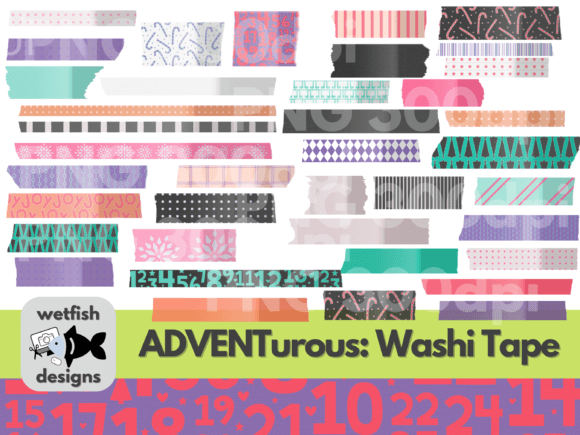
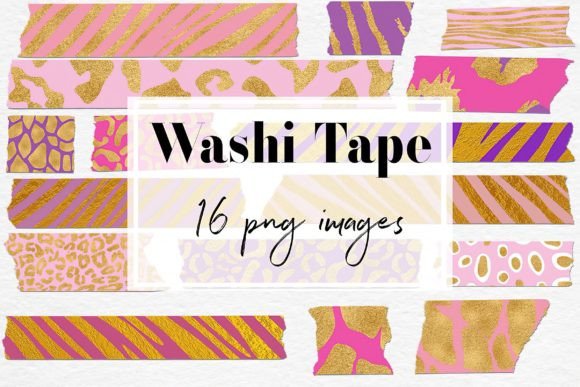
However, the specific asset described in our context represents a significant technological leap. Instead of purchasing physical rolls that require storage space and precise cutting tools, users receive 16 washi tapes with tropical patterns in a digital format. This collection includes High resolution PNG, transparent background files, which allows designers to overlay these textures onto any project seamlessly. The transparency is crucial; it ensures that the pattern interacts naturally with underlying layers, maintaining the integrity of the base design while adding depth and interest.
This shift from physical to digital representation addresses several pain points for freelancers and agencies. It eliminates inventory management, reduces shipping costs, and allows for infinite replication without degradation. A designer can use the same tropical pattern across dozens of client projects instantly, ensuring consistency and speed. Furthermore, the inclusion of 300dpi resolution guarantees that whether the image is used for a small blog thumbnail or a large-format print, the quality remains crisp and professional, avoiding the pixelation that often plagues low-quality digital clipart.
Bridging the Gap: Practical Applications in Modern Business and Design
The relevance of these digital embellishments lies in their adaptability across multiple sectors. For scrapbooking, paper crafts and cards, the value proposition is immediate. Creators can experiment with layout compositions digitally before committing to physical cuts, reducing waste and increasing confidence in the final design. When the time comes to produce physical goods, having pre-sized elements accelerates the production process significantly.
Consider the wedding and event industry, a sector heavily reliant on visual storytelling. Designers creating wedding and party invitations often struggle to balance elegance with uniqueness. Traditional floral motifs are common, but incorporating organic, wilder textures like tropical animal prints can signal a theme of exotic luxury or bohemian chic. With images sized up to 9 inches wide and others at 1,5 inches tall, designers have a range of scales to work with. The smaller strips can serve as delicate borders or accents, while the larger pieces can act as focal points or background textures. This variety allows for nuanced design choices that cater to diverse client preferences.
For marketers and bloggers, the utility extends to content creation and branding. In the realm of blogs and other creative projects, visual hierarchy is key to retaining reader attention. Inserting high-quality, textured elements breaks up text blocks and adds visual rhythm. A blogger reviewing a travel destination might use tropical washi tape patterns to frame photos or highlight key takeaways, enhancing the thematic connection without cluttering the page. Similarly, e-commerce businesses can use these assets to create mockups for packaging designs, allowing them to showcase potential products to stakeholders without manufacturing physical prototypes.
Meeting Changing Consumer Expectations
Why are people paying attention to this intersection of analog aesthetics and digital convenience? The answer lies in changing consumer preferences for authenticity and personalization. In a market flooded with mass-produced, generic digital templates, consumers crave items that feel handcrafted and unique. Animal Print Washi Tape evokes the feeling of handmade artistry, even when produced digitally. This perception of effort and care resonates deeply with audiences who value craftsmanship.
Moreover, the trend toward sustainable and mindful consumption influences how creators approach their work. By using digital assets, designers reduce the carbon footprint associated with physical production runs of sample materials. They can test concepts virtually, ensuring that only the most effective designs move to physical production. This lean approach aligns with broader industry shifts toward efficiency and sustainability, appealing to eco-conscious clients and partners.
Furthermore, the accessibility of these tools democratizes design. Freelancers and solopreneurs without access to expensive graphic design software or extensive libraries of stock photography can now elevate their work with premium-looking textures. The ability to drag and drop a 300dpi transparent PNG into a design program like Canva, Adobe Illustrator, or Photoshop lowers the barrier to entry, enabling more individuals to produce high-quality visual content. This empowerment fosters a more vibrant and diverse creative economy.
Technical Specifications and Workflow Integration
The technical specifications of this asset pack are designed to integrate smoothly into existing professional workflows. The provision of 16 washi tapes offers a curated selection of tropical patterns, ensuring variety without overwhelming the user with redundant options. Each image embellishment is carefully sized, with heights around 1,5 inches and widths reaching up to 9 inches. These dimensions are optimal for standard paper sizes and common digital aspect ratios, minimizing the need for extensive resizing and preserving image quality.
When working with these assets, professionals should consider the following best practices:
- Layer Management: Utilize layer blending modes (such as Multiply or Overlay) in design software to make the washi tape textures interact realistically with underlying colors and images.
- Resolution Consistency: Always ensure that your document canvas is set to 300dpi if printing is intended. This prevents blurriness and ensures that the fine details of the animal print patterns remain sharp.
- Scalability Awareness: While the largest images are 9 inches wide, remember that scaling up vector-like raster images too much can lead to pixelation. Stick to the provided dimensions for optimal results, or upscale only when necessary and with appropriate interpolation settings.
- Cross-Platform Compatibility: PNG files are universally supported across operating systems and design applications, making collaboration easier among teams using different software ecosystems.
Conclusion: Embracing Hybrid Creativity
The integration of Animal Print Washi Tape concepts into digital workflows represents more than just a trend; it is a reflection of a broader shift towards hybrid creativity. As professionals navigate an increasingly complex digital landscape, the ability to blend tactile aesthetics with digital efficiency becomes a valuable skill. The availability of high-resolution, transparent PNGs of tropical patterns empowers creators to produce work that is both visually striking and technically sound.
Whether you are designing intimate wedding invitations, engaging blog content, or innovative marketing materials, these assets provide a bridge between the warmth of analog craft and the precision of digital design. By leveraging these tools, entrepreneurs and creatives can meet the evolving expectations of their audiences, delivering experiences that are not only beautiful but also efficient and authentic. In a world that values both speed and substance, mastering the art of digital washi tape application offers a distinct advantage in the creative marketplace.
As we look to the future, the lines between physical and digital will continue to blur. Tools that facilitate this integration will become essential for anyone looking to stand out in a crowded market. By adopting these resources today, you position yourself at the forefront of this creative evolution, ready to deliver impactful, memorable designs that resonate on a deeper level.