Pastel Leaves Clipart: A Practical Review of 144 High-Resolution Floral Illustrations
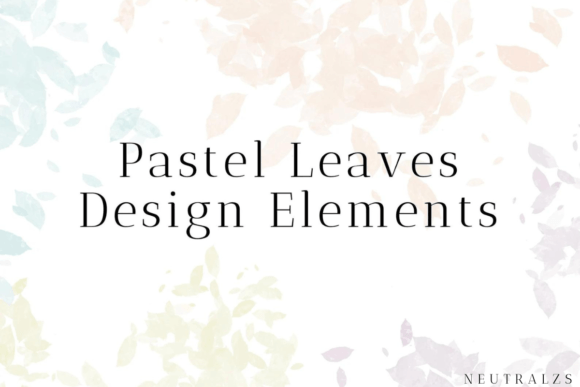
In the landscape of digital design, few elements are as versatile or as frequently utilized as botanical illustrations. Among these, Pastel Leaves Clipart has emerged as a significant resource for creators seeking to inject softness, elegance, and modernity into their projects. This collection, comprising 144 distinct files in transparent PNG format at 1200 DPI and 4000 pixels, represents more than just a bundle of images; it is a curated toolkit designed for precision and aesthetic cohesion. For professionals ranging from wedding planners to small business owners, understanding the technical specifications and artistic utility of this asset is crucial before integrating it into a workflow.
The Technical Foundation: Why Resolution and Format Matter
When evaluating any digital asset, particularly one intended for print production, the technical backbone is often more important than the visual style alone. The specification of 1200 DPI (dots per inch) places this clipart set firmly in the realm of high-end professional use. Standard screen resolution typically hovers around 72 to 96 DPI, while standard print quality usually requires 300 DPI. By providing files at 1200 DPI, the creator ensures that the images can be scaled significantly without any loss of sharpness or introduction of pixelation. This is a critical feature for designers who need to take a small decorative element on a business card and scale it up to fill a corner of a large poster or invitation suite.
Furthermore, the file type is specified as transparent PNG. This is the industry standard for overlaying graphics onto other designs. Unlike JPEGs, which come with a solid white background that must be manually removed using complex masking tools, PNGs with transparency allow for immediate placement. This saves hours of editing time and ensures that the edges of the leaves remain clean and crisp against any background color, pattern, or texture. The dimension of 4000 pixels provides ample canvas space, allowing for detailed cropping and rearrangement within software like Adobe Illustrator, Photoshop, or Procreate.
Aesthetic Analysis: The Power of Pastel Tones
The term "pastel" refers to a range of colors washed with white, resulting in low saturation and high brightness. In the context of Pastel Leaves Clipart, this palette serves a specific psychological and stylistic purpose. These tones evoke feelings of calm, sophistication, romance, and freshness. They are inherently non-aggressive and blend seamlessly with a wide variety of color schemes, making them a safe yet stylish choice for clients who may have strong preferences but lack design expertise.
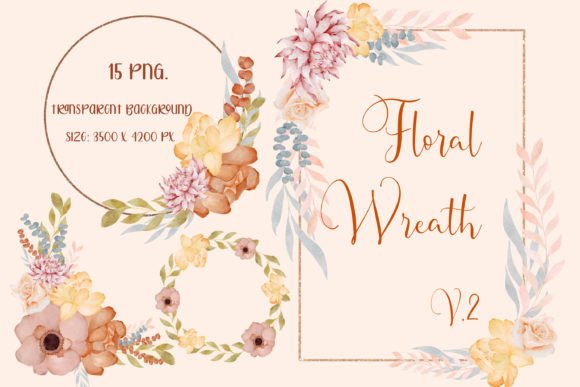
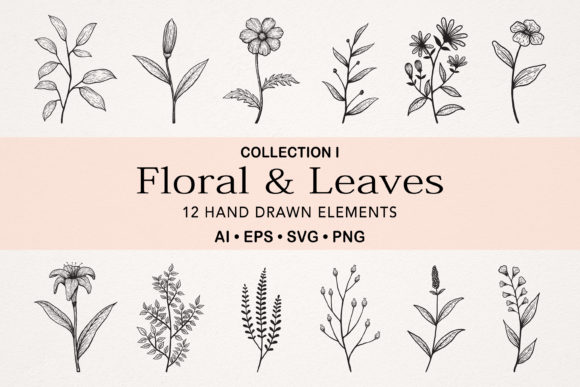
This particular collection utilizes a floral illustration style that appears modern rather than strictly vintage or classical. Traditional botanical drawings often rely on heavy outlines and deep, saturated greens to mimic scientific accuracy. In contrast, these illustrations likely employ softer gradients, subtle shading, and a more contemporary line weight. This modern approach makes the clipart suitable for current trends in branding, where minimalism and clean aesthetics are prized. It bridges the gap between organic nature and structured graphic design, offering a look that feels both hand-crafted and digitally polished.
Practical Applications Across Industries
The versatility of this 144-file pack allows it to serve multiple sectors effectively. Below are several real-world scenarios where these assets demonstrate high utility:
- Wedding Stationery: This is perhaps the most obvious application. Couples planning weddings often seek themes centered around nature, gardens, and soft romanticism. Using these pastel leaves on save-the-dates, invitations, menus, and place cards creates a cohesive visual narrative. The high resolution ensures that even intricate details are visible when printed on premium paper stocks.
- Small Business Branding: Entrepreneurs in the beauty, wellness, bakery, and lifestyle spaces often struggle to find unique logos or brand elements. Incorporating these leaf illustrations into a logo lockup or social media templates can instantly elevate a brand’s perceived value. The transparency allows these elements to float over brand colors without clashing.
- Fine Art and Print-on-Demand: Artists creating prints for platforms like Etsy or Society6 can use these individual leaves as components of larger compositions. Because they are high-resolution, they can be combined with typography or other illustrations to create original artwork that retains its clarity when sold as physical prints.
- Educational and Corporate Materials: Educators designing worksheets or corporate trainers creating presentation decks often need to break up text-heavy slides. Soft botanical accents can make presentations feel more inviting and less sterile, aiding in audience engagement without distracting from the core message.
Evaluating Usability and Workflow Integration
From a practical standpoint, the number of files—144—is substantial. For a designer, this offers variety but also requires organization. When downloading such a large set, it is advisable to immediately sort the files by color tone or leaf shape. This pre-sorting process streamlines the creative workflow, reducing the time spent searching for the perfect accent piece during tight deadlines.
The consistency of the art style across all 144 files is a key strength. If a designer mixes clipart from different sources, they often encounter mismatched line weights, color palettes, or lighting directions, which can make a final design look disjointed. A cohesive set like this ensures that every leaf, regardless of its position in the composition, belongs to the same visual family. This reliability is invaluable for maintaining professional standards in client deliverables.
However, users should be mindful of how they manipulate these assets. While the 1200 DPI allows for scaling up, scaling down too far can sometimes result in a loss of detail, especially if the leaves have fine internal veins or textures. It is best practice to keep the illustrations at a size where their primary features are clearly legible. Additionally, while PNGs are excellent for transparency, saving final print-ready files in PDF or TIFF formats with embedded high-res images will preserve the quality through the printing pipeline.
Who Benefits Most from This Resource?
This clipart set is not necessarily aimed at absolute beginners who may lack the software skills to utilize high-resolution files effectively. Instead, it targets intermediate to advanced creators—freelancers, graphic designers, and serious hobbyists—who understand the importance of vector-quality raster images. It is particularly beneficial for those who produce custom, made-to-order goods, where uniqueness and quality control are paramount.
For marketers and bloggers, these images offer a quick way to enhance visual content. A blog post about gardening or sustainable living can be visually anchored by these illustrations, improving user experience and potentially increasing time-on-page. For educators, they provide ready-made, attractive visuals that can help engage students without the need for expensive stock photography licenses.
Limitations and Considerations
No single asset pack is a universal solution. One limitation to consider is the specific aesthetic of "pastel." If a brand’s identity relies on bold, high-contrast, or dark moody themes, these light, airy leaves may not align with the desired emotional response. Designers must assess whether the softness of the palette complements their overall project goals.
Additionally, while the files are high-resolution, they are still raster images (PNG), not vectors (SVG or AI). This means they cannot be edited node-by-node in the same way vector paths can. If a designer needs to alter the shape of a leaf significantly, they would need to trace over the image or use it as a reference. For static applications like printing and web display, however, this distinction is negligible given the 4000-pixel width.
Final Thoughts on Value and Longevity
The long-term value of Pastel Leaves Clipart lies in its timeless appeal and technical robustness. Trends in color may shift, but the combination of natural motifs with soft, neutral tones has remained a staple in design for decades. The investment in a 144-file, high-DPI pack is justified by the sheer volume of usable content and the freedom it grants designers to experiment without fear of resolution limits.
For anyone looking to add a touch of refined nature to their work, this collection offers a reliable, professional-grade foundation. It eliminates the guesswork associated with finding matching botanical elements and provides the technical assurance needed for both digital and print media. Whether you are crafting a bespoke wedding invitation or updating your small business’s social media presence, these illustrations provide the structural and aesthetic support required to elevate your visual communication.