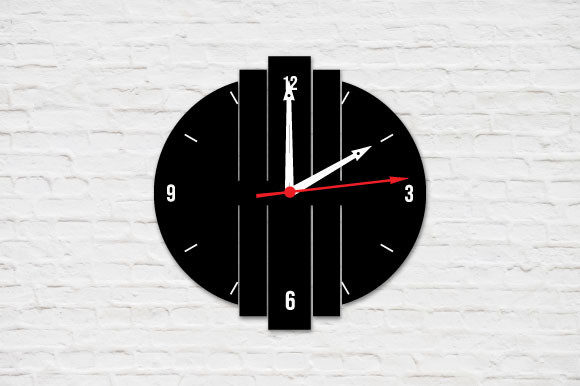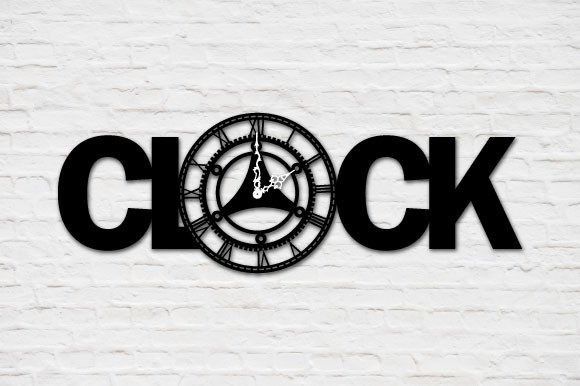
Laser Cut Decorative Wall Clock
There is a distinct satisfaction in seeing a digital design transform into a tangible object. For many creators, the moment of truth isn't when the file is finished on the screen, but when the laser beam finishes its path through wood, acrylic, or metal. The Laser Cut Decorative Wall Clock represents one of the most popular and versatile entry points into this world. It is not merely a timepiece; it is a statement piece that blends functionality with intricate artistry. Whether you are a hobbyist looking to add character to your home office or an entrepreneur scaling up production for a boutique gift shop, understanding the nuances of these files is crucial for success.
The core of this project lies in the digital assets themselves. When you acquire a comprehensive package for a decorative wall clock laser cut file, you are not just getting a single image. You are receiving a suite of professional-grade vectors designed to work seamlessly with various cutting machines. These packages typically include SVG files for modern software like Silhouette Studio or Cricut Design Space, ensuring smooth curves and precise joins. They also come with EPS files, which are industry standards for compatibility with Adobe Illustrator and CorelDRAW, allowing for deeper editing if needed. Furthermore, robust packages provide PDF files for easy previewing and printing, as well as DFX (DXF) files, which are essential for CNC routers and older laser cutter software that may not support SVG natively. All these formats are conveniently compressed into a single ZIP File. To access them, you simply need to extract the contents using standard tools like WinZIP, WinRAR, or the built-in extractor on your operating system. This multi-format approach ensures that no matter what machine you own, you have the right tool for the job.
Why Choose Laser Cut Designs Over Mass-Produced Clocks?
In a market flooded with cheap, plastic wall clocks from big-box stores, there is a growing demand for items that feel personal and crafted. A Laser Cut Decorative Wall Clock offers depth, texture, and visual interest that flat-printed designs cannot match. The interplay of light and shadow across layered materials creates a dynamic look that changes throughout the day. For homeowners, this means a focal point in the living room or kitchen that sparks conversation. For businesses, it means offering products that justify a higher price point because they convey quality and attention to detail.
Consider the difference between buying a generic clock and creating one yourself. The latter allows you to choose the material—perhaps reclaimed walnut for a rustic vibe, or vibrant acrylic for a modern aesthetic. You control the color palette, the font styles within the numbers, and the complexity of the decorative elements. This level of customization is impossible with off-the-shelf purchases, making laser-cut clocks a superior choice for those who value uniqueness.
Real-World Applications and Use Cases
The versatility of the decorative wall clock laser cut file extends far beyond simple home decor. Different users find unique ways to integrate these designs into their workflows and creative projects.
For the Creative Entrepreneur
If you run a small business on Etsy or at local craft fairs, these files are a goldmine. Because the design is digital, your inventory costs are virtually zero until a sale is made. You can produce on-demand, reducing waste and storage needs. The multi-format nature of the files means you can serve different clients: a corporate client might want a sleek metal version for their lobby, while a school district might prefer durable plywood clocks for classrooms. By offering variations in size and material, you expand your market reach without needing new designs.
For Educators and Makerspaces
Schools and community makerspaces often struggle with budget-friendly yet engaging STEM projects. A wall clock project teaches geometry, time-telling, and mechanical assembly. Using the provided PDF file, teachers can print templates for younger students to assemble manually. Older students can use the SVG or DXF files to operate laser cutters safely, learning about vector paths and machine settings. It is a practical application of technology that results in a useful classroom tool.
For Interior Designers and Home Stagers
Home stagers know that clutter-free, visually appealing spaces sell homes faster. A large, artistic Laser Cut Decorative Wall Clock can anchor a minimalist room or add warmth to a sterile apartment. Designers can download the files, customize the colors to match a specific paint scheme, and produce custom pieces that fit perfectly into a staging plan. This bespoke approach adds value to the property and helps potential buyers visualize the space as a home.
For Corporate Gifting and Branding
Generic branded merchandise often ends up in landfills. However, a high-quality, intricately designed wall clock featuring a company logo integrated into the laser-cut pattern feels like a genuine gift. Marketing teams can use these files to create limited-edition promotional items for key clients or employee milestones. The durability of laser-cut materials ensures the brand stays visible in the recipient’s workspace for years.
Technical Considerations Before You Start
While the files make the process easier, success depends on preparation. Before you hit "cut," there are several factors to consider to ensure your Laser Cut Decorative Wall Clock turns out professionally.
- Material Thickness: Check the dimensions in your design software. If the clock layers are designed for 3mm acrylic but you are using 5mm wood, the tolerances will be off, and parts may not fit together smoothly. Always test cut a small section first.
- Kerf Compensation: Every laser beam removes a tiny amount of material, known as kerf. High-quality files account for this, but if you are modifying the design, you may need to adjust the spacing between interlocking parts. Failure to do so can result in a wobbly clock face.
- Software Compatibility: Ensure your software supports the file format you are using. While SVG is widely supported, some older versions of cutting software may struggle with complex nested paths. Converting to DXF or EPS might be necessary for stability.
- Assembly Strategy: Look at the PDF preview included in the ZIP file. Understand how the pieces stack. Some designs rely on friction fits, while others require glue or pins. Having the right adhesives ready before you start cutting saves time.
Maximizing Value from Your Purchase
When you extract the ZIP File, take a moment to explore each format. Do not just open the SVG and start cutting. Open the EPS file to see if there are additional details or layer structures that were hidden in the primary view. Use the DFX file if you are working with a larger CNC machine that has different coordinate systems. By leveraging all available formats, you gain flexibility. If one file fails to import correctly due to corruption or software bugs, you have immediate backups.
Furthermore, think about scalability. A design that looks perfect at 12 inches might lose detail at 6 inches or become too fragile at 24 inches. Experiment with scaling the Laser Cut Decorative Wall Clock in your design software to see how it affects the structural integrity and visual balance. This experimentation is where true creativity happens, turning a standard template into a signature product.
Ultimately, the value of a decorative wall clock laser cut file package lies in its adaptability. It provides the foundation, but your vision determines the final outcome. By understanding the technical requirements and exploring diverse applications—from educational tools to premium corporate gifts—you can unlock the full potential of these digital assets. Whether you are crafting for fun or building a brand, the ability to produce high-quality, customized wall clocks is a skill that pays dividends in both creativity and commerce.