Flower Pot Illustration: Creative Uses and Benefits
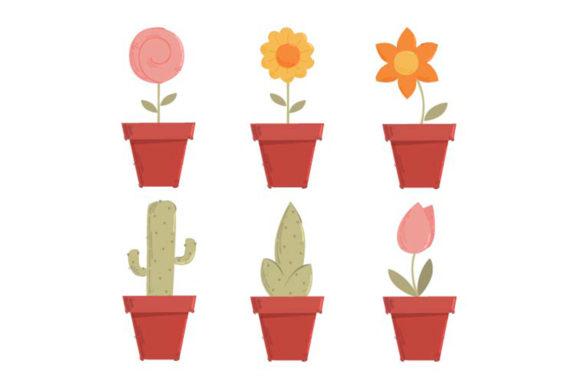
A Flower Pot Illustration is a stylized visual representation of a flower pot, often used in design projects to convey themes of nature, growth, sustainability, or aesthetics. These illustrations can be created using various tools, including Adobe Illustrator CS6 (AI) and saved in scalable formats like EPS10, making them ideal for both digital and print applications. Whether you're designing a logo, creating marketing materials, or working on educational content, the right flower pot illustration can add a touch of personality and purpose.
Why Flower Pot Illustrations Matter to Different Audiences
The appeal of a Flower Pot Illustration varies depending on who is using it. For instance, a marketer may value its ability to communicate eco-friendliness, while an educator might use it as part of a lesson on plant biology. Here’s how different groups might find value in this versatile asset:
Beginners and Hobbyists
If you’re just starting out with graphic design or illustration, a pre-made flower pot illustration can be a great learning tool. It allows you to experiment with colors, shapes, and layering without having to start from scratch. You can use it in personal projects like greeting cards, blog headers, or social media posts to build your portfolio and gain confidence in using software such as AI CS6.
Example: A beginner blogger could incorporate a simple flower pot illustration into their website's sidebar to create a cohesive theme around gardening or wellness topics.
Experienced Designers and Professionals
For professionals, the quality and flexibility of a flower pot illustration are key. An AI file provides full control over vector elements, enabling customizations like resizing without loss of clarity or adjusting individual components such as the pot, soil texture, or plant details. This makes the illustration suitable for logos, branding materials, packaging, and high-resolution print jobs.
Example: A brand promoting organic skincare products might use a detailed flower pot illustration in their packaging to symbolize natural ingredients and care.
Entrepreneurs and Small Business Owners
Business owners often look for visuals that align with their brand identity and resonate with their target audience. A flower pot illustration can serve as a subtle yet effective design element in promotional materials, websites, or even storefront displays. Its symbolic connection to growth and nurturing can be especially powerful for businesses in the wellness, lifestyle, or environmental sectors.
Example: A local café selling healthy meals could use a flower pot illustration in their menu design to reinforce their commitment to fresh, natural ingredients.
Marketers and Content Creators
In marketing, visuals play a crucial role in capturing attention and conveying messages quickly. A well-designed flower pot illustration can help marketers create engaging campaigns for gardening brands, interior design services, or eco-conscious initiatives. The scalability of an EPS10 file ensures that the image looks sharp across all platforms, from billboards to mobile ads.
Example: A social media influencer focusing on home décor might use a flower pot illustration in a post about indoor plants to enhance the visual storytelling and maintain brand consistency.
Educators and Trainers
Educators often need clear and visually appealing resources to support their lessons. A flower pot illustration can be used in science classes to explain plant anatomy, in art classes to demonstrate shading and perspective, or in language lessons to teach vocabulary related to gardening and botany. The editable nature of AI and EPS files allows teachers to tailor the illustration to specific learning objectives.
Example: A teacher preparing a presentation on photosynthesis might use a flower pot illustration to highlight where roots, stems, and leaves are located within a plant system.
Freelancers and Publishers
Freelance designers and publishers appreciate assets that offer versatility and time-saving benefits. A flower pot illustration included in an AI or EPS10 file format can be easily integrated into multiple client projects, ensuring consistent quality and reducing the need for redrawing elements. This is particularly useful when clients request variations in color schemes or layouts.
Example: A freelance illustrator might include a flower pot illustration in a children's book about nature, adjusting the style to match the tone of the story.
Priorities When Choosing a Flower Pot Illustration
When selecting or creating a Flower Pot Illustration, different users will prioritize various aspects based on their goals and needs. Understanding these priorities can help you choose the most suitable illustration for your project:
- Quality and Clarity: Essential for professional-grade work, especially when printing or displaying at large sizes.
- Flexibility: Vector-based files like AI and EPS10 allow for easy editing and customization, which is important for many creative workflows.
- Speed: Ready-to-use illustrations save time compared to drawing one from scratch, especially in fast-paced environments.
- Cost-Effectiveness: Stock illustrations or templates can reduce expenses for small businesses and independent creators.
- Creativity: Customizable illustrations let you express unique ideas and match your artistic vision.
- Learning Value: Beginners benefit from understanding how layers and paths are structured in AI files.
- Commercial Use Rights: Important for entrepreneurs and marketers to ensure legal compliance when using the illustration in products or campaigns.
How to Evaluate Based on Your Needs
Ask yourself what matters most for your current project. If you're looking to streamline your workflow, check if the illustration includes smart objects or editable text. If you want something adaptable for multiple uses, ensure the file format supports resizing and rebranding. And if you're teaching others, consider whether the illustration clearly represents the concepts you want to emphasize.
Practical Applications Across Industries
Flower pot illustrations have found their way into numerous industries due to their broad symbolism and aesthetic appeal. Let’s explore some real-world scenarios:
Interior Design
Interior designers frequently use flower pot illustrations to showcase decorative elements or suggest plant placement in room layouts. These visuals help clients visualize green spaces and living walls before any physical changes occur.
Apparel and Merchandise
Designers in the fashion industry might use a stylized flower pot illustration on t-shirts, tote bags, or stationery to evoke themes of sustainability and mindfulness. The vector format ensures that the design remains crisp even after being printed on fabric.
Event Planning and Invitations
Weddings, birthdays, or corporate events centered around nature or springtime often feature flower pot illustrations. They add charm and relevance to invitations, signage, or thematic decorations.
Mobile App UI/UX
In user interface design, flower pot illustrations can be used as icons or background elements in apps related to gardening, mindfulness, or productivity. Their clean lines and recognizable form make them excellent for intuitive navigation.
Choosing the Right File Format
When working with a Flower Pot Illustration, the choice of file format depends on your intended use. Here’s a quick breakdown:
- AI (Adobe Illustrator): Best for editing in Adobe Illustrator. Offers full access to layers, paths, and vector data.
- EPS10 (Encapsulated PostScript): Compatible with most design software. Ideal for high-quality print and scalable use.
- JPG/PNG: Useful for web and digital presentations. Less flexible but widely supported.
Always ensure you understand the licensing terms of the illustration, especially if you plan to use it commercially. Some files come with restrictions, while others are royalty-free and available for broader use.
Getting Started with a Flower Pot Illustration
If you're considering adding a flower pot illustration to your next project, here’s a simple guide to get you started:
- Define Your Purpose: What message do you want to convey? Is it about nature, growth, or simply decoration?
- Select the Right Style: Choose between realistic, minimalist, flat design, or cartoon styles based on your project's tone.
- Check File Compatibility: Ensure the AI or EPS10 file works with your design software and meets your technical requirements.
- Edit and Customize: Adjust colors, add textures, or combine the illustration with other design elements to fit your vision.
- Test Across Platforms: Preview the illustration on screens and in print to confirm it maintains quality and intent.
Real-World Scenarios
Imagine a small business owner launching a new line of biodegradable planters. They could use a flower pot illustration in their product catalog, ensuring each image reflects the eco-friendly aspect of their brand. Meanwhile, a graphic designer working on a wellness app might incorporate a simplified flower pot icon to represent growth and renewal within the app's features.
Or take an educator preparing a science curriculum. By using an AI file of a flower pot illustration, they can annotate each part of the plant—roots, stem, leaves—right inside the design software, turning it into an interactive learning aid.
Is a Flower Pot Illustration Right for You?
Here’s how to determine if a Flower Pot Illustration fits your needs:
- Are you working on a project with a natural or botanical theme?
- Do you need a visual element that is both scalable and customizable?
- Will the illustration be used across multiple platforms, such as print and digital?
- Is there a need for long-term usefulness, such as in ongoing marketing campaigns or educational materials?
If you answered yes to any of these questions, then a flower pot illustration might be a valuable addition to your toolkit. Its adaptability and rich symbolism make it a compelling choice for a wide range of applications.
Final Thoughts
Whether you're a seasoned designer or someone just exploring creative tools, a Flower Pot Illustration offers more than just visual appeal. It connects with audiences through meaning, enhances your design process with flexibility, and supports a variety of use cases—from branding to education. With the right file format and thoughtful application, it can become a staple in your design repertoire.