Film Frame: A Versatile Tool for Creative and Professional Use
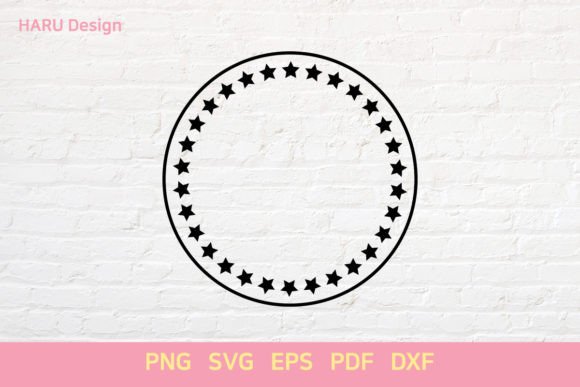
Film Frame has become a popular term in both the creative and digital industries, often referring to a design or visual element inspired by traditional cinema. Whether you're an artist, marketer, educator, or entrepreneur, understanding how to use Film Frame assets can significantly enhance your projects. In this article, we’ll explore what a Film Frame is, its key features, and how it can be applied across various fields using different file formats such as SVG, EPS, PNG, PDF, and DXF.
What Is a Film Frame?
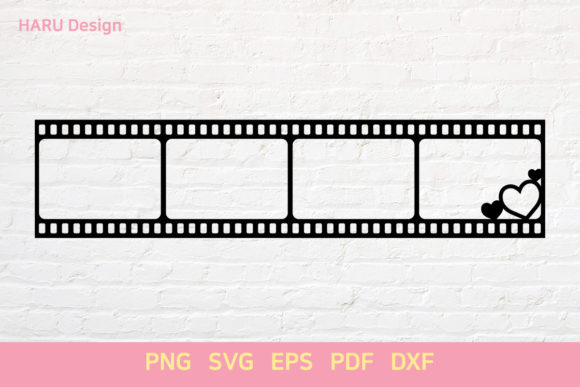
A Film Frame typically represents a single image from a motion picture reel—think of the classic 35mm filmstrip with those familiar rectangular images. In modern design contexts, it’s used as a stylistic border or background that evokes the nostalgia and elegance of cinema. This visual motif can add depth, character, and a cinematic feel to posters, websites, presentations, product packaging, and more.
Key Characteristics of a Film Frame Design
- Cinematic Aesthetic: Mimics the look of traditional film strips, often featuring subtle grain textures and dark borders.
- Scalability: When designed properly, especially in vector formats like SVG or EPS, it maintains quality at any size.
- Customization Options: Offers flexibility in color, transparency, and layout to suit diverse applications.
- Universal Appeal: Resonates well with audiences who appreciate storytelling, media, and vintage-inspired visuals.
Why Use a Film Frame?
The appeal of a Film Frame lies in its ability to evoke emotion and tell a story visually. It's not just about looks—it’s about creating a connection with your audience through a shared cultural reference. For instance, using a Film Frame in branding materials can instantly communicate a sense of creativity, nostalgia, or entertainment value.
Its usefulness spans beyond aesthetics. The Film Frame format can also serve as a structural element in layouts, helping to focus attention on a central message or image. It provides a natural frame that guides the viewer’s eye, making it particularly effective in editorial design, advertising, and even UI/UX interfaces where content needs to stand out.
Practical Applications Across Industries
Film Frame designs are incredibly versatile and find their way into a wide range of industries and personal projects. Here are some common use cases:
Marketing and Branding
Marketers can leverage Film Frames to create memorable campaigns. Imagine launching a new movie theater experience with promotional materials framed in a classic film border. Or using it for event invitations related to film festivals, photography exhibitions, or art shows. These designs help reinforce brand identity and set the tone for the event or product being promoted.
Education and Presentations
Teachers and educators might use a Film Frame in slide decks or learning materials when discussing film history, cinematography techniques, or media literacy. The design helps students connect with the subject matter more effectively by providing a contextual visual cue.
Graphic Design and Print Media
Graphic designers love working with Film Frames because they offer a unique canvas for creativity. Whether designing a magazine cover, a book jacket, or a custom poster, adding a Film Frame border can give the project a timeless, professional finish. And since these elements come in scalable vector formats like SVG and EPS, they’re perfect for high-resolution printing and large-format displays.
Digital Content Creation
In the digital realm, Film Frames can be used as overlays in video thumbnails, website headers, or social media posts. Bloggers and publishers often incorporate them into blog templates or infographics to highlight key points or sections. The nostalgic vibe of a Film Frame can make content more engaging, especially when targeting older demographics or niche communities like cinephiles.
Commercial and Product Packaging
Entrepreneurs and business owners can integrate Film Frames into product packaging for items like cameras, film reels, or retro-themed merchandise. The design communicates heritage and authenticity, which can be powerful selling points in competitive markets. Additionally, it works well in e-commerce settings to differentiate products visually and improve click-through rates.
Personal Projects and Hobbies
Photographers and hobbyists often use Film Frames in photo albums or scrapbooks to mimic the look of old-school negatives. Freelancers and creatives may include them in portfolio pieces or personal branding to showcase their artistic flair and attention to detail. The Film Frame adds a touch of class and originality that can elevate any personal project.
Choosing the Right File Format
When working with a Film Frame design, selecting the appropriate file format is essential based on your specific needs. Below are some practical considerations for each format:
- SVG (Scalable Vector Graphics): Ideal for web designers due to its scalability and small file size. It supports interactivity and animation, making it great for digital use.
- EPS (Encapsulated PostScript): Preferred for print work. It maintains crisp lines and curves at any resolution and is compatible with most design software.
- PNG (Portable Network Graphics): Best for raster-based uses where transparency is needed. PNGs are widely supported and perfect for online banners, app icons, or digital illustrations.
- PDF (Portable Document Format): Useful for sharing and printing multi-page documents. It preserves formatting across devices and platforms, ensuring consistency.
- DXF (Drawing Exchange Format): Commonly used in engineering and architecture for CAD compatibility. It’s suitable if you plan to use the Film Frame in laser-cutting or CNC projects.
Designing for 12in×12in Artboards
When creating a Film Frame design for a 12in×12in artboard, it's important to consider proportions and spacing. The square format allows for balanced compositions and symmetrical framing. You should ensure the Film Frame doesn’t overwhelm the central content but rather enhances it. Leaving enough white space around the main subject will prevent clutter and maintain readability.
Also, keep in mind the aspect ratio and alignment of the Film Frame itself. If it’s meant to resemble a filmstrip, the width and height must align with standard cinematic ratios to avoid distortion. Using grid systems or rulers in your design software can help you achieve precision and consistency.
How to Select and Implement a Film Frame Effectively
Not all Film Frame designs are created equal. To choose one that best suits your purpose, consider the following:
- Understand Your Audience: A vintage Film Frame may resonate more with older generations, while a sleek, minimalist version could appeal to a younger demographic.
- Match the Theme: Ensure the Film Frame complements the overall style and message of your project. A mismatched aesthetic can confuse the viewer and dilute your intent.
- Test Across Platforms: Before finalizing, test your Film Frame design on different screens and print sizes to confirm it remains clear and impactful.
- Consider Licensing: Always verify that the design you're using is royalty-free or properly licensed, especially if you're using it for commercial purposes.
Once selected, implementing a Film Frame involves placing it strategically within your composition. Avoid overusing it; instead, let it highlight key visuals or text. For example, in a presentation, a Film Frame can draw attention to a featured quote or statistic without distracting from the rest of the content.
Real-World Examples and Recommendations
Let’s look at a few real-world scenarios where a Film Frame was effectively used:
- A local independent cinema used a Film Frame in their event flyers and saw a 20% increase in ticket sales compared to previous promotions.
- An online photography course incorporated a Film Frame into each module thumbnail, resulting in higher engagement and user retention.
- A boutique camera store redesigned their logo using a stylized Film Frame in EPS format, allowing for consistent branding across physical and digital channels.
If you're considering using a Film Frame in your next project, here are a few recommendations:
- Use subtle variations in texture and color to match your brand palette.
- Pair it with cinema-related typography for a cohesive theme.
- Ensure it’s visually balanced with other design elements.
- Optimize SVG and PNG files for web performance to reduce load times.
Maximizing Usability and Efficiency
One of the greatest strengths of a Film Frame is its adaptability. It can be used as a simple border, a full-frame background, or even a layered effect to add depth to a design. Its efficiency lies in how quickly it can transform the visual impact of a piece without requiring complex coding or production processes.
For digital marketers, integrating a Film Frame into email templates or landing pages can boost conversion rates by improving visual hierarchy. For educators, embedding it in interactive learning tools can make lessons more immersive and memorable. The key is to use it intentionally—not just as a decorative element, but as a functional one that serves a purpose in guiding the viewer’s attention and enhancing the message.
Enhancing User Experience and Engagement
From a UX perspective, a Film Frame can subtly influence how users interact with your content. By framing important elements, you create a focal point that encourages deeper engagement. This is especially true in multimedia environments where visual cues play a major role in navigation and comprehension.
Web developers might use a transparent PNG Film Frame as a modal window overlay for video content, reinforcing the cinematic theme while maintaining usability. Similarly, app designers can incorporate a Film Frame into loading screens or splash pages to create a seamless and aesthetically pleasing transition between sections.
Final Thoughts on Implementation
While a Film Frame offers many benefits, it’s crucial to evaluate its suitability for each project. Not every design calls for a cinematic border, and sometimes less is more. Consider the context, the medium, and the intended outcome before applying it. Also, remember to balance the design so the Film Frame supports the content rather than overshadowing it.
With thoughtful application and proper file management, a Film Frame can become a powerful asset in your creative toolkit. Whether you're crafting a marketing campaign, designing educational materials, or building a brand identity, the right Film Frame can bring your vision to life with clarity and charm.